Dry Needling Wollongong & Illawarra
At Advance Body Massage, we offer professional Dry Needling in Wollongong as a precise, evidence-based technique designed to relieve muscle tension, improve mobility, and support recovery from pain or injury. Dry needling is commonly used alongside remedial, sports, or deep tissue massage to target specific muscles and address persistent issues.
Dry needling is optional and can be tailored to your comfort. We can begin at a gentle, beginner level and progress at a pace that feels right for you.
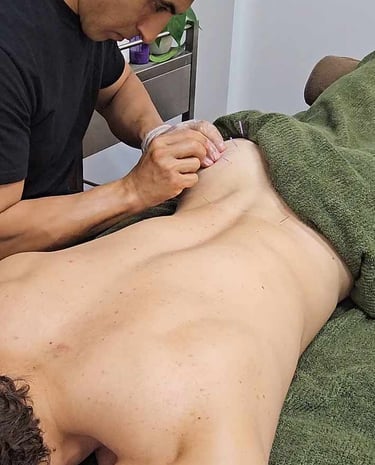
Unlock increased muscle function, reduce pain, and improve mobility with dry needling by targeting myofascial trigger points and tight muscle fibers that may not respond to traditional massage methods.
We provide precise, professional care for clients across the Illawarra, helping you recover faster, prevent recurring tension, and restore optimal movement patterns.
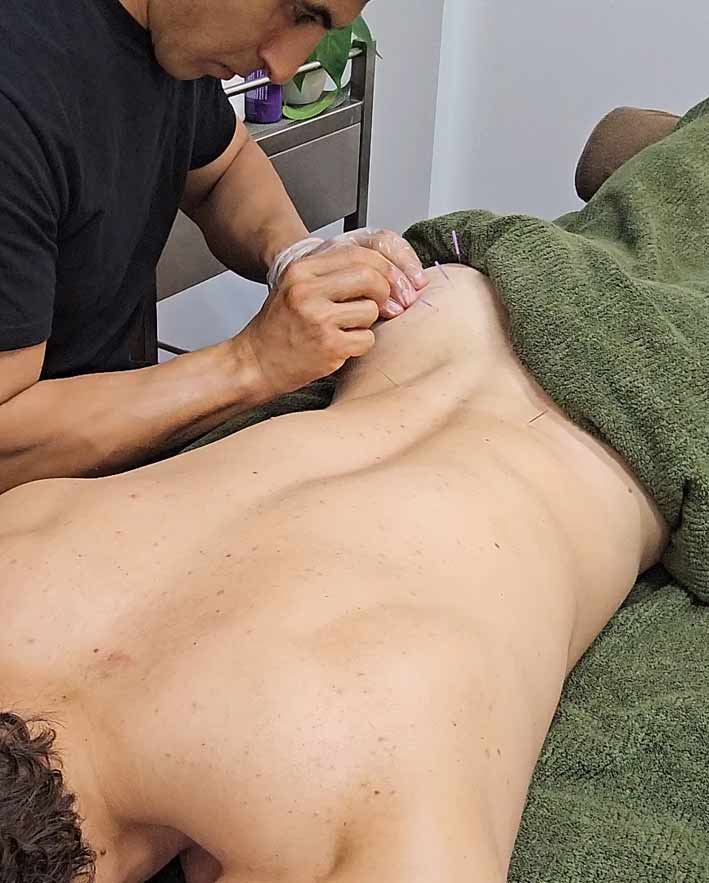
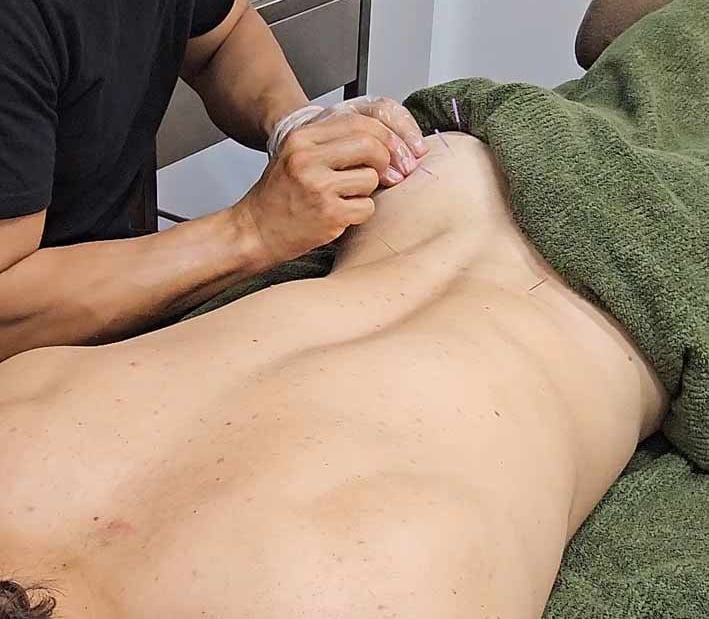
Dry needling involves inserting Ultra fine, sterile needles into tight or overactive muscles, also known as trigger points. Unlike acupuncture, dry needling targets the muscle tissue itself rather than traditional energy pathways. The goal is to release tension, improve blood flow, and reduce discomfort in specific areas of the body.
This technique is highly effective for treating:
Muscle knots and tension
Repetitive strain or overuse injuries
Restricted movement or tightness
Chronic pain or postural discomfort

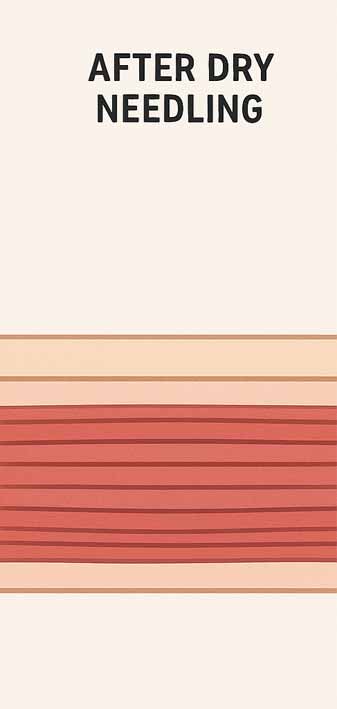

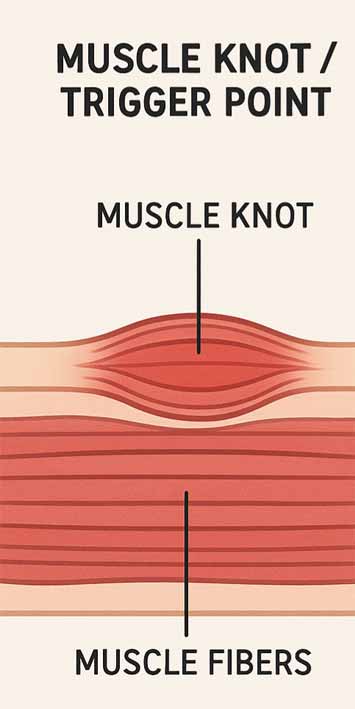
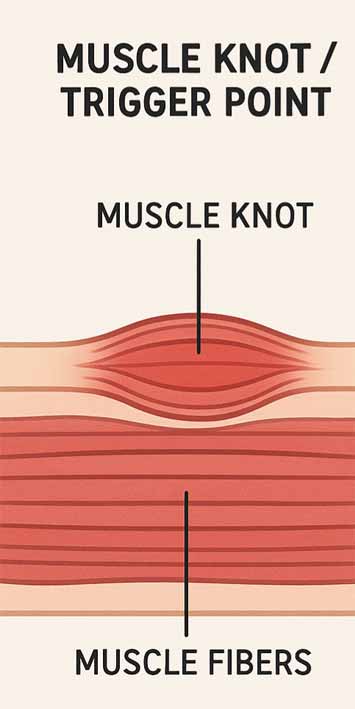
What Is Dry Needling?
By targeting these areas, dry needling encourages the release of tension, improved blood flow, and neuromuscular reset, often leading to significant improvements in mobility and comfort.
Before starting, we will discuss your medical history, current concerns, and treatment goals. The needles used are very fine and typically cause minimal discomfort — It is normal to feel a brief twitch or pressure as the muscle releases.
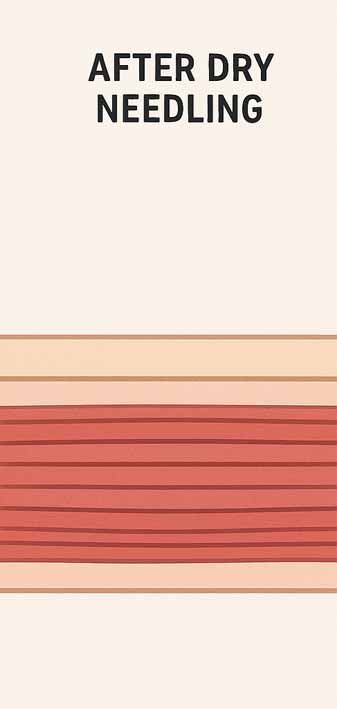
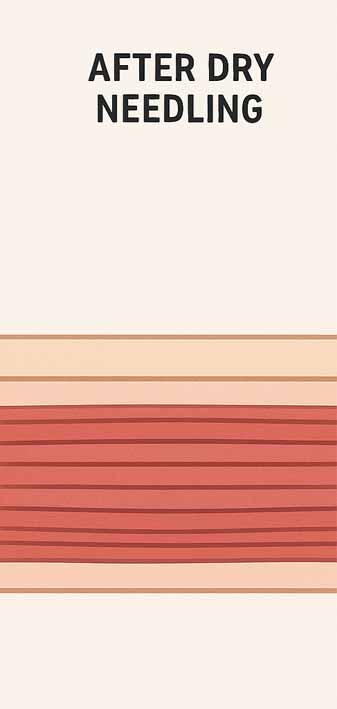
After treatment, you may experience mild soreness or tenderness in the treated area, which usually subsides within 24–48 hours. This is a normal part of the process and indicates that the muscle has been effectively targeted.
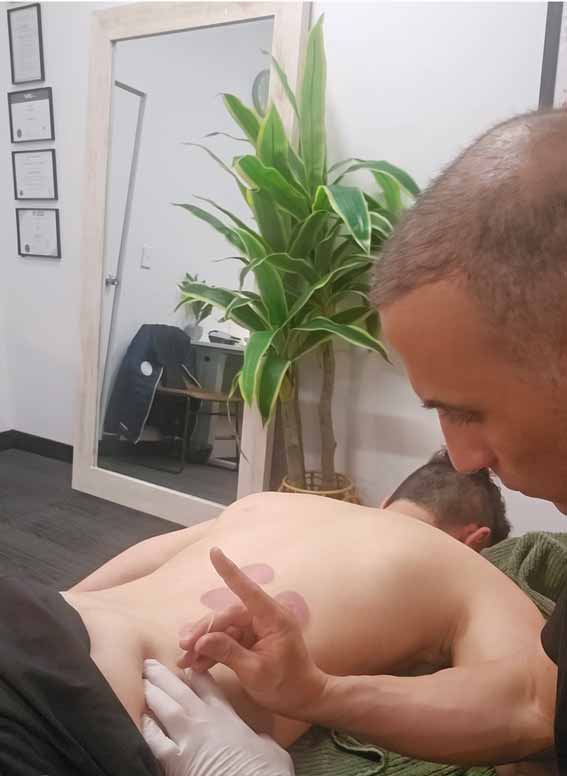
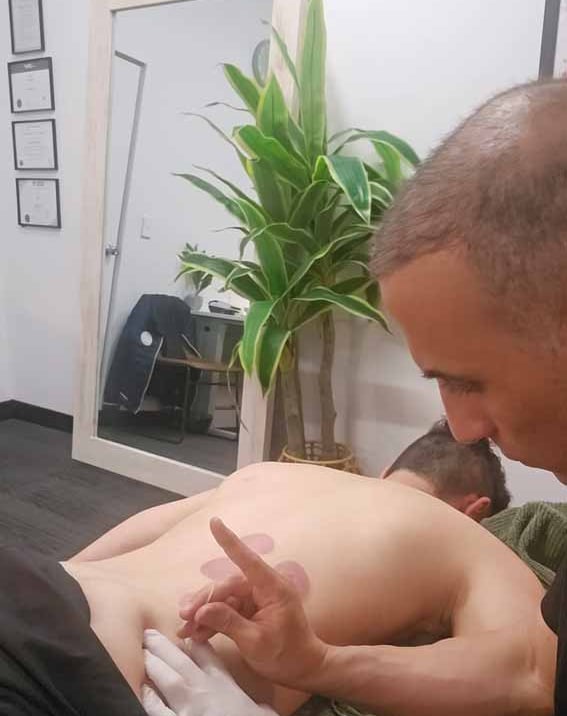
What to Expect from Dry Needling
Dry needling works on the principle of direct mechanical stimulation of muscle fibers. During a session, we:
Identify tight or overactive muscles through palpation and assessment
Insert thin, sterile needles into the targeted trigger points
Use precise techniques to elicit a local twitch response, which releases tension
Combine this with movement, stretching, or corrective exercises as needed
How Dry Needling Works
Dry needling can target deeper trigger points that are often difficult to reach with traditional massage techniques. This allows for more precise release of muscle tension and improved mobility in stubborn or hard-to-access areas.
Reduce muscle tightness and pain
Targets deep trigger points
Improve flexibility and range of motion
Promote faster recovery from injury
Enhance athletic performance
Supports posture and alignment
Complement other massage therapies for targeted results
Muscle Pain Relief
Trigger points and deep muscular knots can cause localized or referred pain. Dry needling can:
Reduce chronic pain from neck, shoulders, and back
Alleviate tension headaches originating from muscular tightness
Address stubborn areas unresponsive to massage
Improved Mobility and Flexibility
By releasing tight fibers and resetting neuromuscular tension, dry needling:
Restores full range of motion
Supports better posture and movement mechanics
Enhances performance in daily activities or sports
Faster Recovery for Active Lifestyles
Dry needling is particularly beneficial for clients who:
Train regularly or participate in competitive sports
Experience delayed recovery due to muscle fatigue or overuse
Want to reduce risk of injury from repetitive strain
Targeted Treatment for Specific Conditions
It is clinically indicated for:
Rotator cuff tightness
Tennis elbow or Golfer’s elbow
Hamstring or calf tightness
Lower back or neck pain from sedentary postures
Postural imbalances from repetitive movements


Fast, effective relief
book your dry needling session now
Benefits of Dry Needling
While massage targets surface muscles, dry needling focuses on deep muscular fibers and trigger points that are often inaccessible with hands alone. It can be combined with massage, but it is a standalone treatment when the goal is functional improvement, pain relief, or injury recovery.
Unlike acupuncture, dry needling is clinically evidence-based, designed to address muscular dysfunction rather than energy flow
Dry Needling vs Traditional Massage


Dry needling is suitable for a wide range of clients:
Adults with chronic muscle tension or postural pain
Active individuals and athletes looking to improve recovery
Office workers or people with repetitive strain injuries
Older adults seeking mobility improvements
Note: Clients with bleeding disorders, certain medical conditions, or needle phobia should discuss suitability with the therapist prior to treatment.
Who Can Benefit from Dry Needling?
Dry needling can target:
Chronic back, neck, or shoulder tension
Muscle stiffness from postural strain
Repetitive strain injuries (RSI)
Sports-related tightness or soreness
Pain from overuse or muscular imbalance
It is often combined with remedial or deep tissue massage for optimal results but is distinctly focused on neuromuscular release.
Conditions Dry Needling Can Address
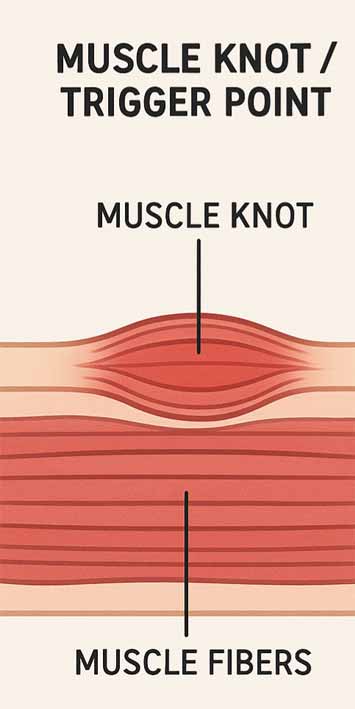
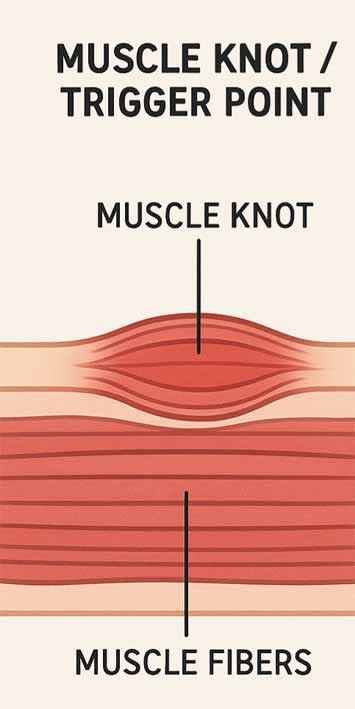
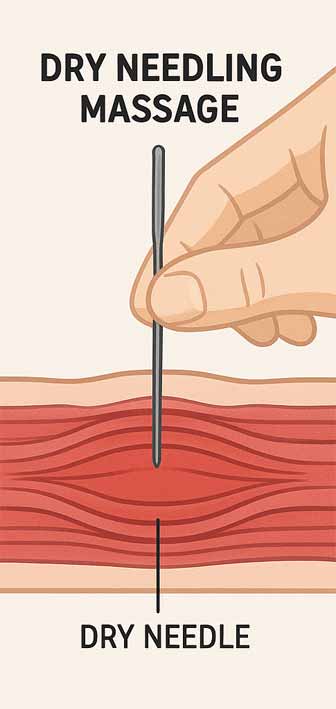
Dry needling is an evidence-based treatment for muscle tension, chronic pain, and restricted movement. When performed by an accredited professional like Moe, it is safe and effective.
It may not be suitable for everyone, such as those with bleeding disorders. Before your session at Advance Body Massage, you’ll complete a brief questionnaire to ensure dry needling is right for you and to discuss the treatment.
Is Dry Needling Right for You?
1. Does dry needling hurt?
Most clients report a brief twitch or mild sensation. Needles are very thin, and discomfort is minimal.
2. How many sessions will I need?
It depends on your condition. Most clients notice considerable results after one session; chronic or long-standing issues may require 3 or more sessions.
3. Is dry needling the same as acupuncture?
No. Dry needling is clinically targeted at muscles and trigger points, whereas acupuncture is based on traditional Chinese medicine principles.
4. Can it be combined with massage?
Yes. Combining with remedial or deep tissue massage can enhance results and reduce post-treatment soreness.
5. Who should avoid dry needling?
Clients with bleeding disorders, needle phobia, or specific medical conditions should consult your therapist or GP first.
6. Will I be sore afterward?
Mild soreness is normal, similar to a deep stretch, and usually resolves within 24–48 hours.
7. Is it suitable for teenagers?
Yes, under guardian supervision and with consent. Early intervention supports muscle recovery and prevents long-term tension.