Why Gym Soreness Lasts Longer After 30
I see it almost every week in my clinic.
Someone walks into Advance Body Massage, Wollongong, lowers themselves very carefully onto the treatment table (like they’re defusing a bomb), and says something along the lines of:
“I did legs on Monday… it’s Friday… and I still can’t sit down properly. Is this just my life now?”
Short answer?
Yes… but also no. 😄
Longer answer (the useful one): gym soreness does last longer after 30, but it’s not because your body is “broken” or “past it.” It’s because your tissues, recovery systems, and stress load have quietly changed while you weren’t looking.
As a remedial massage therapist working hands-on every day, I treat gym soreness, tight hips, cranky backs, and mystery aches for people in their 30s, 40s, 50s and beyond. And I promise you—your body isn’t betraying you. It’s just asking for smarter recovery.
Let’s unpack why soreness hits harder now, what’s actually happening inside your muscles, and what you can do about it (without giving up the gym or living on the foam roller forever).


Home > Massage Blog > Why Gym Soreness Lasts Longer After 30
Why am I sore for days after the gym now?
This is probably the most common Google search that brings people into my clinic for massage Wollongong locals swear by.
In your 20s, soreness was a mild inconvenience.
In your 30s, it becomes a topic of conversation.
Here’s what’s going on:
1. Muscle recovery slows with age (sorry, but it’s true)
After 30, your body becomes slightly less efficient at repairing micro-tears in muscle tissue caused by training. Those tiny tears are normal—they’re how muscles grow—but the repair process takes longer.
That means:
More lingering stiffness
Longer DOMS (Delayed Onset Muscle Soreness)
Tightness that doesn’t “warm out” like it used to
This is where remedial massage can make a huge difference by improving circulation and helping tissues move fluid again.
2. Connective tissue gets less elastic
Muscles don’t work alone. They’re wrapped in fascia—connective tissue that should glide smoothly.
As we age (and sit more), fascia becomes:
Dehydrated
Sticky
Less adaptable
So when you train hard, instead of bouncing back, everything feels glued together. That’s when you wake up feeling like you’ve aged overnight.
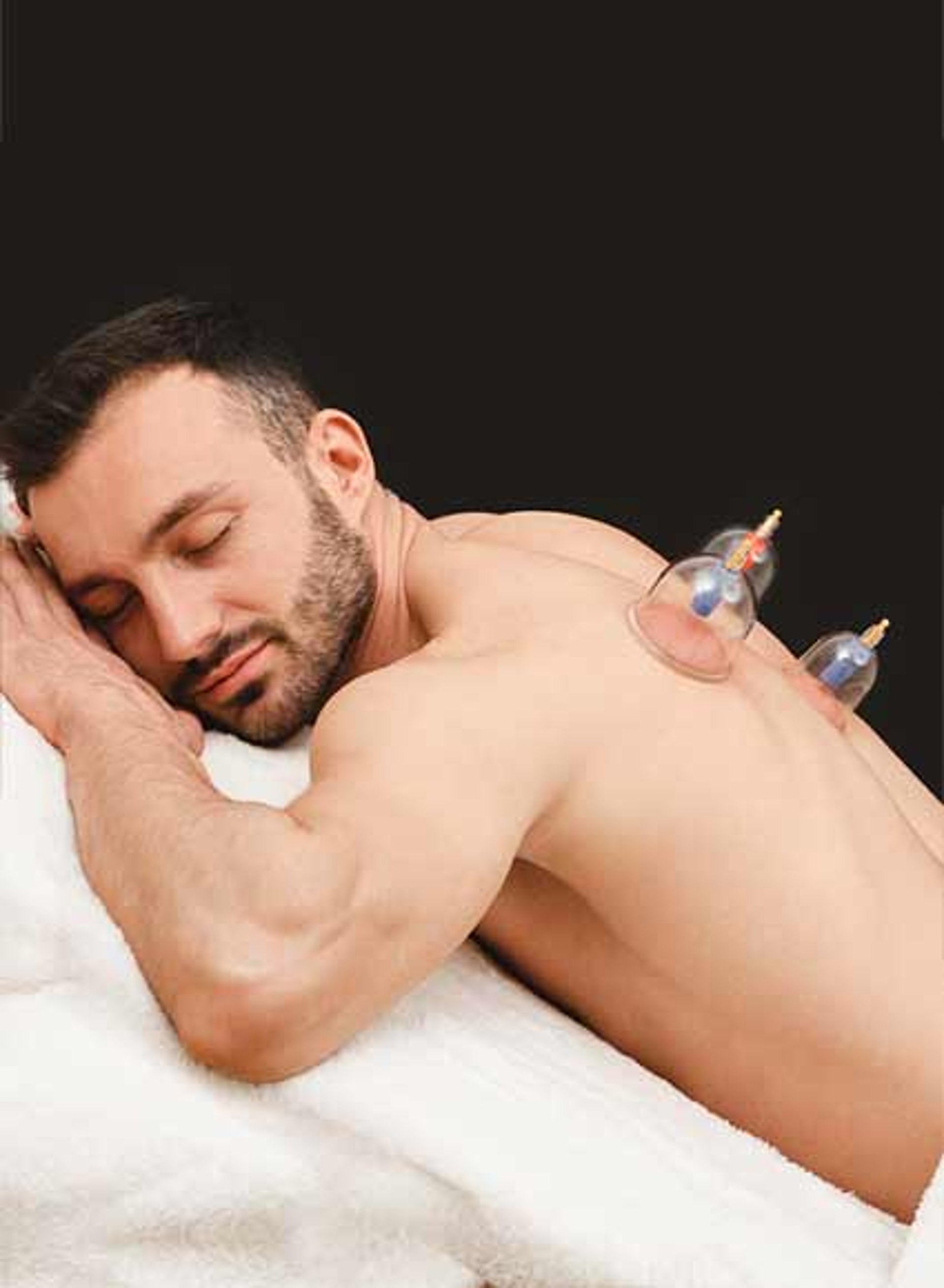
This is also why techniques like cupping can feel incredible—or confronting—but often lead to noticeable relief afterward.
Is DOMS worse after 30?
Yes. And no. And kind of.
DOMS itself isn’t worse—it’s just less forgiving.
After 30:
Inflammation hangs around longer
Muscles don’t flush waste products as quickly
Sleep and stress have a bigger impact on recovery
You might do the same workout you’ve always done… but now your body files a formal complaint.
This is when people come in asking if they’ve “injured something,” when really, it’s unresolved soreness that never got the chance to settle.
Why strength training makes me feel stiff instead of strong
This one surprises a lot of people.
Strength training is fantastic—but if recovery doesn’t match the workload, muscles stay in a semi-contracted state. Over time, that turns into:
Tight hip flexors
Restricted shoulders
A lower back that’s always “on”
Neck tension that creeps in after training
At Advance Body Massage in Wollongong, I often find that the muscles aren’t weak—they’re overworked and under-recovered.
This is exactly where remedial massage shines. It’s not about relaxation—it’s about restoring normal movement and reducing excessive tone so your strength actually translates into performance.
Why stretching isn’t fixing my soreness anymore
Stretching helps… but it’s not the full solution.
If muscles are already inflamed, guarded, or full of trigger points, stretching can feel like trying to stretch a frozen rubber band.
That’s where techniques like dry needling come in.
Dry needling targets those deep trigger points that:
Refer pain
Limit range of motion
Keep muscles switched “on” even at rest
I use dry needling Wollongong clients often ask for when soreness feels stubborn, deep, and resistant to everything else.
It’s not magic—but when used properly, it can reset muscle tone in a way stretching simply can’t.
Absolutely. And this one sneaks up on people.
Your nervous system doesn’t separate:
Work stress
Family stress
Training stress
It just sees load.
So when life is busy (which it usually is after 30), your body stays in a heightened state. That means:
Muscles recover slower
Pain sensitivity increases
Sleep quality drops
Massage helps here not just mechanically, but neurologically—helping shift your system out of fight-or-flight so recovery can actually happen
Why do my hips and lower back get sore first?
If I had a dollar for every sore hip I’ve treated in Wollongong, I’d probably own a beach house by now.
Hips and lower backs cop it because:
We sit more
Glutes switch off
Hip flexors shorten
The lower back compensates
Then you add squats, deadlifts, running, or HIIT—and boom. Tightness sets in fast.
A combination of remedial massage, targeted cupping, and movement advice usually gets things moving again pretty quickly.
Is massage actually helping recovery or just feeling good?
Both. And that’s the sweet spot.
Massage helps by:
Increasing blood flow
Reducing muscle tone
Improving tissue glide
Supporting lymphatic drainage
But it also helps your nervous system let go.
When people book Wollongong massage sessions with me regularly, they usually notice:
Less lingering soreness
Better movement at the gym
Fewer “niggles” turning into injuries
Massage doesn’t replace training—it supports it
Should I train less now that I’m over 30?
Nope. Train smarter.
The goal isn’t less movement—it’s better recovery.
That might mean:
Programming rest days properly
Rotating intensity
Addressing tight areas before they become painful
Using tools like massage, dry needling, and cupping strategically
Your body is still incredibly adaptable. It just needs a bit more respect than it did at 25.
Why does cupping help with gym soreness?
Cupping looks intense, but it’s brilliant for:
Decompressing tight tissue
Improving circulation
Rehydrating fascia
Those circular marks aren’t bruises—they’re signs of stagnation being moved.
I often use cupping alongside remedial massage when muscles feel dense, stuck, or layered with tension from months (or years) of training without proper recovery.
How often should I get massage if I train regularly?
This depends on:
Training intensity
Stress levels
Previous injuries
But for most active people over 30, I usually recommend:
Every 2–4 weeks for maintenance
More frequently during heavy training blocks or injury recovery
Think of it like servicing your car. You don’t wait for the engine to seize.
Why gym soreness lasts longer after 30—and what to do about it
So if you’re feeling sorer than you used to, it’s not weakness.
It’s biology.
It’s workload.
It’s life.
The good news? You’re not stuck with it.
With smart training, proper recovery, and support like remedial massage, dry needling, and cupping, you can keep training hard—and feeling good—well beyond 30.
If you’re in Wollongong (or searching Wollongong massage, massage wollongong, or even dry needling wollongong at 11pm because your quads are screaming), I see this every day at Advance Body Massage in Wollongong.
Your body isn’t done.
It’s just asking for backup.
And honestly? That’s a pretty reasonable request. 😄
If gym soreness seems to hang around longer after 30, it’s not a sign you should stop training—it’s a sign your body needs better recovery, not less movement. Muscles still adapt, get stronger, and perform incredibly well, but they don’t bounce back on neglect alone anymore.
The combination of smart training, proper rest, and hands-on support like remedial massage, dry needling, and cupping can make the difference between constantly feeling sore and actually enjoying your workouts again. Your body isn’t fragile—it’s just more honest than it used to be.
Train hard, recover properly, and listen to the signals before they turn into injuries. And if your muscles are staging a protest, that’s exactly what I help with every day at Advance Body Massage in Wollongong